November 9, 2026
How to Build the Perfect Backyard Hot Dog Bar
By @keeganemvt153
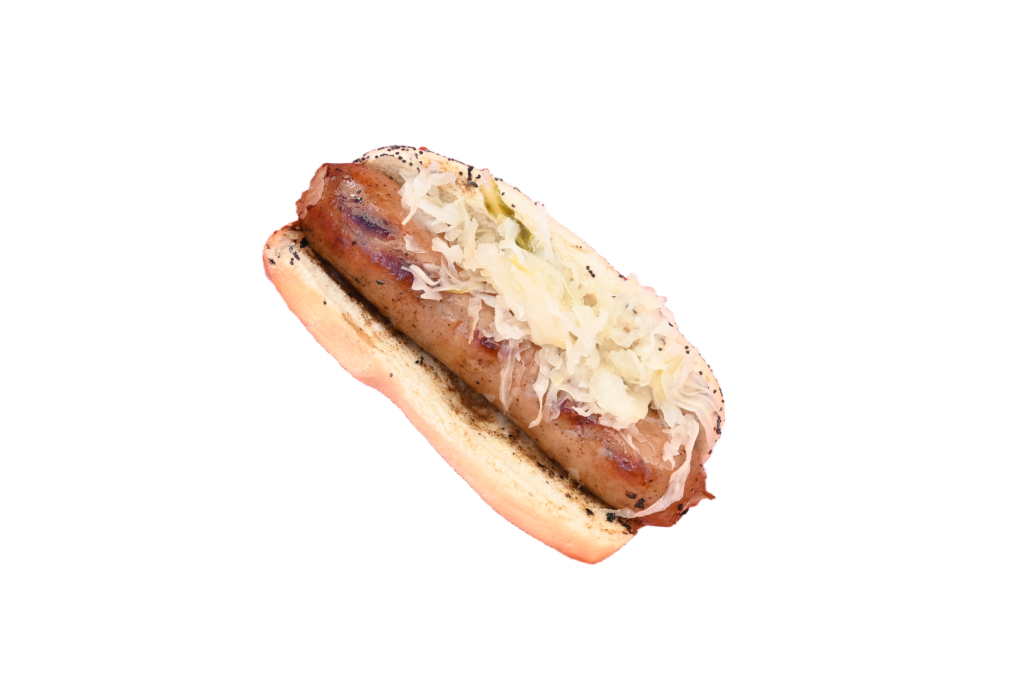
A great backyard hot dog bar does something that many outdoor meals fail to do. It makes people relax almost immediately. Nobody feels pressured to plate a composed entrée, wait for a carving station, or ask what sauce goes with what. They see the buns, the grill, the toppings, and they know exactly how to join in. Kids can keep it simple. Adults can get fussy in the best possible way. One person builds a classic mustard dog, another piles on grilled onions, pickled jalapeños, and spicy slaw, and both feel like they got exactly what they wanted.
That is the real appeal. A hot dog bar feels casual, but when it is done well, it has the generosity and polish of a thoughtfully planned meal. The difference between a forgettable setup and one people talk about later usually comes down to a handful of practical decisions: how many choices you offer, how you manage heat and timing, what toppings hold up outdoors, and whether the whole spread feels easy to navigate.
I have helped set up versions of this for family cookouts, late summer birthdays, neighborhood block parties, and those loosely organized gatherings where six invited guests somehow turn into sixteen. The best approach is not to offer everything under the sun. It is to offer the right mix of flavors, textures, and temperatures, arranged in a way that keeps the line moving and the food tasting fresh.
Start with the flow, not the food
Most people begin by thinking about toppings. That makes sense, because toppings are the fun part. But if you want a backyard hot dog bar to work, think first about movement. Guests should be able to approach the table and build their food without doubling back, reaching across each other, or pausing to ask where the buns are.
The cleanest setup usually moves in one direction. Plates first, then buns, then hot dogs, then condiments and toppings, then napkins and utensils. If the grill is a few steps away, even better. You can keep dogs hot at the source and let guests grab one or two before they move down the line. If the grill is far from the topping area, use a covered pan or a low oven indoors to hold cooked dogs for short stretches, ideally no more than 15 to 20 minutes before refreshing the batch. After that, texture starts to suffer.
Space matters more than people think. A folding table can work beautifully, but only if it is not overcrowded. Give each topping enough room that serving spoons are not colliding. Keep wetter items away from buns. Put sticky condiments where spills will not spread into everything else. If you have ever seen relish leak into a tray of sliced tomatoes, you know how quickly a nice spread can turn messy.
A little forethought also helps with traffic jams. If you expect more than a dozen people, duplicate the essentials. Two bottles of yellow mustard and two bottles of ketchup prevent needless bottlenecks. If you are serving a crowd of twenty or more, put buns at both ends or split the bar into two shorter stations.
Choose hot dogs that can handle the grill
Not all hot dogs perform the same way over live heat. Some split too fast, some stay pale and bland, and some shrivel if you look at them for too long. For a backyard hot dog bar, you want links with enough structure to char nicely without drying out before guests reach the toppings.
All beef hot dogs are often the safest crowd-pleaser because they bring stronger flavor and better browning. Natural casing dogs are especially good if you want that audible snap, though they can be slightly more polarizing with younger kids who prefer a softer bite. Skinless dogs are easier to find and usually easier to eat, but they benefit from a little extra color on the grill to build flavor.
Size matters. Standard franks fit regular buns and make portioning simple. Jumbo dogs feel festive, but they create a chain reaction. You need sturdier buns, more toppings, longer grilling time, and often more appetite than many guests actually have in the heat. Unless the hot dog is meant to be the entire event, standard size is usually the smarter choice.
For mixed groups, I like to offer one classic all beef option and one alternative, either turkey or a quality plant-based dog. That covers most dietary preferences without turning the grill station into a separate catering operation. If you do serve plant-based dogs, keep their space distinct and label clearly. Cross-contact is a real concern for some guests, and even relaxed backyard gatherings benefit from that bit of professionalism.
The bun is not an afterthought
People will forgive many things at a cookout. They will not forgive a stale bun. Bread is half the experience, and when it is dry, crumbly, or too flimsy to hold toppings, the whole hot dog bar feels cheaper than it is.
A good bun should be soft enough to bite through easily but substantial enough to hold sauces and warm toppings without collapsing. Top-split buns are especially helpful because they stand upright while guests build, which keeps the table cleaner and makes the finished dog easier to carry. Side-split buns are perfectly fine, but they tend to tip once loaded.
Toast the buns lightly if you can. This does not require a separate production. Thirty seconds on the cooler side of the grill, or a brief pass over indirect heat, gives them structure and adds a little flavor. You are not trying to make crisp bread. You are just preventing the sad steamed-bun effect that comes from laying a very hot hot dog into a soft, untreated roll.
Buy more buns than you think you need, and then buy a few extra beyond that. Buns tear, kids grab one and abandon it, and someone always decides to eat two small hot dogs instead of one. A safe rule for a casual party is one and a half times the number of expected guests, adjusted upward if your crowd includes hungry teenagers or the event runs through mealtime.
Build a topping lineup with range, not chaos
The best topping bar has contrast. You want creamy against crisp, sweet against sharp, fresh against smoky. What you do not want is fifteen ingredients that all occupy the same flavor territory. If you put out shredded cheddar, nacho cheese sauce, queso, and pepper jack, you have not created variety. You have created a dairy traffic jam.
Most successful hot dog bars include familiar basics and a few deliberate upgrades. Ketchup, mustard, and relish still belong there, whether food snobs like it or not. Backyard food should meet people where they are. From there, you can add ingredients that make the spread feel abundant and custom.
Here is a balanced topping mix that works for most gatherings:
- yellow mustard, Dijon, and ketchup
- sweet relish, chopped onions, and sauerkraut
- shredded cheddar, pickled jalapeños, and crispy fried onions
- diced tomatoes, coleslaw, and sliced dill pickles
- chili or warm cheese sauce, if you can keep it hot and tidy
That list may look generous, but it is not excessive because each item does a different job. There is acid, crunch, creaminess, spice, freshness, and comfort. Guests can go traditional or build something more layered without the table becoming cluttered.
If you want the bar to feel more regional or themed, focus on a few combinations rather than broad expansion. A Chicago-style direction might mean neon relish, sport peppers, tomato wedges, onions, mustard, pickle spears, and celery salt. A chili dog setup could center on meaty chili, shredded cheese, diced onion, and jalapeños. A Southern-leaning version might feature slaw, chili, and mustard. A grilled sausage bar invites peppers and onions, spicy mustard, and hoagie rolls. The key is to commit enough that guests understand the idea, while still keeping one lane open for the person who just wants a plain hot dog with ketchup.
Keep the hot ingredients genuinely hot
This is where many hosts lose the thread. Cold toppings are easy. The challenge is warm additions like chili, queso, sautéed onions, or bacon. If those items sit in lukewarm bowls on a patio table, they stop being appealing surprisingly fast.
If you are offering one hot topping, make it chili or onions, not three or four heated extras. Use a slow cooker on the lowest holding setting, or a small chafing dish if you already own one. A saucepan balanced on “we’ll reheat it later” is how a polished idea turns into a food safety gamble. Warm toppings need an actual plan.
Chili deserves special mention because it is one of the fastest ways to turn a backyard hot dog bar into a crowd favorite. It also causes the most mess. Make it thick. Spoonable, not soupy. You want a topping that stays on the dog, not one that runs through the bun and onto someone’s shoes. If your usual chili recipe is designed for bowls, reduce it longer or use less liquid. A hot dog chili should behave almost like a hearty meat sauce.
Grilled onions can be easier than people expect. Slice them ahead, cook them low and slow in a grill pan or cast iron skillet, and keep them warm in a covered foil tray. They pair with nearly every topping on the table, so they earn their space.
Texture is the secret advantage
The most memorable hot dog bars get texture right. People notice flavor first, but they come back for combinations that crunch, snap, or offer some contrast against the softness of the bun and the richness of the sausage.
That is why chopped raw onion and crispy fried onions can both deserve a place. One is sharp and juicy, the other savory and brittle. Pickles bring cold crunch. Slaw brings lightness and moisture. Sauerkraut adds acidity but, depending on the cut, can also add chew. Even a simple bowl of thinly sliced radishes can work if your crowd likes fresher, peppery toppings.
Texture also helps if you are trying to keep the meal from feeling too heavy. On a hot afternoon, guests often eat with their eyes and the weather at the same time. A topping table dominated by cheese and chili can feel overwhelming in high heat. Add bright, crisp ingredients and the whole spread becomes more inviting.
Think about the weather like a caterer would
Backyard entertaining rewards realism. Sunshine changes food. Wind changes food. So do bugs, uneven shade, and the half hour when everyone gets up from the table and leaves the toppings alone.
If the day is hot, keep mayonnaise-based items such as slaw in small bowls and replenish from the refrigerator instead of setting out one large batch. Use shallow containers so ingredients are visible and easy to serve without digging around. If flies are an issue, mesh food covers are worth every cent. If wind is strong, avoid flimsy paper napkins and lightweight signs that blow into the mustard.
Shade is not just for guests. It is for the food bar. Even a basic canopy or umbrella can buy you significant time before herbs wilt, condiments separate, and buns go stale at the edges. It also makes the whole station more inviting, which matters if you want people to linger and enjoy the experience rather than rush through it.
Portion planning that actually works
Hosts almost always worry about running out of hot dogs, when the more common problem is misjudging the supporting cast. Toppings, buns, ice, napkins, and drinks tend to disappear faster than expected.
For a mixed-age backyard crowd, plan on one and a half hot dogs per person as a baseline. For a dinner crowd with plenty of sides, that number is often enough. For game day, late-night parties, or gatherings with lots of teens and young adults, plan closer to two per person. Some people will eat one. A few will eat three. The average usually settles in the middle.
Toppings are trickier because preferences vary wildly. Mustard and ketchup go quickly. Onions, relish, and pickles move steadily. Jalapeños disappear fast with some groups and barely get touched by others. Chili, if offered, tends to become the star. If I am unsure, I would rather buy too much of the inexpensive, versatile items than overspend on novelty toppings that only work in one combination.
If you are serving sides, choose ones that support the hot dog bar rather than compete with it. Pasta salad, fruit, chips, grilled corn, and a crisp green salad make sense because they can be made ahead and they leave room for the main attraction. A tray of sliders next to a hot dog bar only creates confusion about what dinner is supposed to be.
Set up for guests, not for photos
A stylish spread is nice. Practical access is better. The internet is full of grazing tables and topping bars that look beautiful in still images and become awkward the moment real people start using them. Tiny bowls, overloaded boards, and scattered garnish can all photograph well while performing poorly outdoors.
Use serving pieces with handles that guests can grip easily. Wide-mouth squeeze bottles are cleaner than open bowls for ketchup and mustard. Clear labels help more than hosts expect, especially for similar-looking condiments or spicy items. If you have vegetarian dogs, gluten-free buns, or allergens to note, label them plainly and place them in their own area.
One of the smartest choices you can make is to pre-open jars, loosen bottle caps, and set out extra spoons before guests arrive. Nothing stalls a food line like three adults wrestling with a sealed relish jar while a hot dog cools in someone’s hand.
A separate toppings station for children can also make sense, not because children need less variety, but because they often need easier access. A few basics placed lower on the table can save a lot of reaching, spilling, and parental negotiation.
Small upgrades that make the whole thing feel finished
You do not need luxury ingredients to make a hot dog bar feel special. You need a few cues that tell guests this was considered. Fresh herbs in a jar, sturdy baskets for buns, and serving bowls that match in size and function do more for the mood than expensive novelty condiments.
A few upgrades consistently pay off:
- toast or warm the buns just before serving
- offer one signature topping, such as smoky chili or beer-braised onions
- keep condiments in squeeze bottles for speed and cleanliness
- provide small plates or trays so loaded dogs are easier to carry
- refresh the station every 20 to 30 minutes instead of overfilling it once
These are not decorative tricks. They solve real problems. Warm buns improve structure. A signature topping creates personality. Better serving ware reduces mess. Periodic refreshing keeps the food looking appetizing long after the first wave of guests has eaten.
Music, lighting, and seating matter too, of course, but they matter less if the actual eating experience is cumbersome. The perfect backyard hot dog bar is not the one with the most ingredients. It is the one where guests can build something delicious quickly, sit down comfortably, and go back for a second round without the host looking frazzled.
A sample approach for twelve guests
For a group of twelve, I would keep the menu focused. Two varieties of hot dogs, one all beef and one alternative. Around eighteen to twenty buns. Mustard, ketchup, relish, diced onions, shredded cheddar, pickles, jalapeños, slaw, and either chili or grilled onions as the warm centerpiece. Add chips, watermelon, and a simple salad, and you have a meal that feels generous without becoming a production.
That scale is large enough to feel festive and small enough to manage without hired help or restaurant equipment. Most prep can be done in advance. Onions can be cooked earlier in the day. Tomatoes, pickles, and jalapeños can be sliced ahead. Slaw improves if made a few hours early. The grill work itself is fast, which frees the host to actually spend time with guests.
For a larger crowd, the same logic applies. Increase quantity, not complexity. Add duplicate condiments, larger holding vessels, and a second trash bin near the eating area. Resist the urge to multiply toppings endlessly just because more people are coming. Crowds do not need more choices. They need smoother service.
Why hot dogs work so well outdoors
Part of the enduring charm here is that hot dogs are democratic food. They are familiar, affordable, and almost infinitely customizable. They work for birthday parties, holidays, weeknight gatherings, and those impromptu summer evenings when someone texts, “come by around six.” A hot dog bar honors that flexibility. It takes something humble and gives it structure, abundance, and a little ceremony.
That ceremony does not have to be fancy. It can be as simple as hearing onions sizzle while the first guests arrive, seeing buns lined up in baskets, and knowing everyone from the picky six-year-old to the neighbor who swears by sauerkraut and spicy mustard will leave happy. Backyard food should feel like hospitality, not logistics.
When the bar is planned well, the host gets to enjoy the party too. That may be the strongest argument for the whole idea. You are not plating individual orders, timing multiple proteins, or fielding complicated dietary questions all night. You are offering a clear, satisfying meal that invites people to make it their own.
And that is what makes the perfect backyard hot dog bar more than a cute theme. It is one of the rare entertaining formats that is genuinely easy to pull off, generous to guests, and better than the sum of its parts. A few smart decisions, a little restraint, and a hot grill can turn a simple hot dog into the kind of summer https://claytonbwhn826.unionquill.com/posts/hot-dog-sandwich-or-hot-dog-icon-a-tasty-debate meal people remember.
Under Construction Hot Dogs
1225 W U.S. Hwy 50, Pueblo, CO 81008
FAQ About hot dog
What are different types of hotdogs?
Under Construction Hot Dogs offers a classic all-beef hot dog, a quarter-pound Jumbo Dog, a Chili Dog, and a Chicago Dog, along with brats and a Spicy Link.
What does a chili dog have on it?
Our Chili Dog pairs a Vienna all-beef hot dog with chili, shredded cheddar cheese, and finely diced onions.
What is in a traditional Chicago dog?
Our Chicago Dog comes on a steamed poppy seed bun with yellow mustard, bright green relish, onions, tomato wedges, a pickle spear, sport peppers, and celery salt.
❧